 Vintry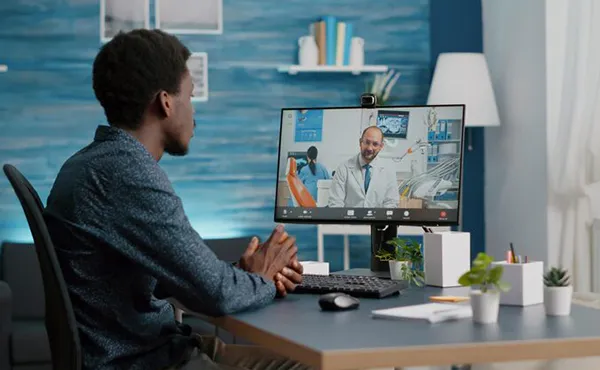
The Telehealth Revolution: How Virtual Care Is Reshaping Healthcare Careers
In the recent past, the thought of a doctor visit that took place through video call was something that seemed like a far-off day. The pandemic, however, served as a mighty stimulus and turned telehealth into a niche facility into a necessity of our healthcare system. Virtual care is not just a workaround anymore; it is a here-to-stay business sector that is developing at a phenomenal pace and has been changing the career trajectories of healthcare professionals at both ends of the spectrum.
Had you ever hoped to be more flexible, have a better work-life balance, or be able to reach patients that are outside of your geographical area, the telehealth revolution is opening the opportunities that you may have never imagined. It is not just a trend, and this is the transformation of healthcare delivery.
The Unstoppable Growth of Virtual Care
Telehealth has been growing in an unprecedented manner, and the market is bound to attain extraordinary heights in the coming years. Analysts are forecasting that a large section of the health care services provided in the United States will be done virtually. It is more than the replacement of face-to-face visits, and it is a move toward creating more efficient, more accessible, patient-focused methods of care delivery.
This change is very apparent in the employment market. According to recent reports, a huge percentage of healthcare jobs currently allow some remote or hybrid work, which is a great improvement compared to the years before. This trend is an indication of a gradual shift to more adaptive, technology-driven care models.
Who Is Thriving in the World of Telehealth?
Although not all medical duties can be conducted at a distance, an impressive variety of occupations are seeking new existence in the virtual world. This includes:
- Nurse Practitioners and Physician Assistants: Provide primary and urgent care consultations on an interstate level, which is an easy point of contact with a patient.
- Behavioral Health Specialists: Virtual mental health services are one of the quickest-growing sectors of telehealth, and the demand in this area is so great that it is hard to overestimate. The therapists, counselors, and psychologists are accessing increasing numbers of patients, unlike before.
- Allied Health Professionals: Registered dietitians, diabetic educators, physical and occupational therapists, and speech-language pathologists are exploring the virtual platforms to coach, guide in rehabilitation, and conduct therapy sessions remotely.
- Medical Support Roles: Every virtual visit is supported by a team of professionals. Remote opportunities are also popping up for medical coders, billing specialists, and healthcare administrators.
The Practical Side: What You Need to Succeed
To become a telehealth professional, one cannot simply change professions due to clinical knowledge. With the maturation of virtual care, employers are seeking professionals with an exclusive combination of skills:
- Tech-Savviness: The ability to use electronic health records (EHRs), telehealth solutions such as Doxy. The skill to solve simple technical problems is also quite desirable.
- Exceptional Communication: The ability to establish a relationship and transmit empathy is a rare ability on a screen. Effective communication is of primary importance, and it needs to be clear and compassionate.
- Autonomy and Organization: Remote jobs demand high levels of self-direction and oral organizational skill in order to handle the loads of patients and documentation properly.
Moreover, the experience of working in different states can be accompanied by a lot of mazing in terms of licensing regulations. Luckily, the multistate licensure is more accessible than ever due to such initiatives as the APRN Compact to nurse practitioners and the PSYPACT to psychologists.
A New Era of Flexibility and Balance
The greatest influence of the telehealth revolution is the flexibility that it presents. The option to work at home, to set their own professions, or to use the hybrid approach is a game-changer for many healthcare professionals. Such flexibility will result in a more sustainable work-life balance, and it will decrease the burnout, which has become far too widespread in traditional clinical environments.
Telehealth is not merely an alternative to face-to-face care; it becomes a potent means that, when utilized correctly, can not only make patients more accessible but also more efficient and offer more gratifying career options to the professionals spearheading our healthcare industry.
Posted Date : 03 Dec, 2025
Author : Manish